If you’ve grown up in South Florida or have been around long enough, you’ve certainly been to the Miami Seaquarium, as it was a childhood staple of school field trips and family outings. Still, the marine park has long faced criticism for its animal-care practices, and after seven decades of operation, the Virginia Key facility is closing its doors this weekend.
Opening in 1955, the Seaquarium was among the first of its kind in the U.S., giving visitors the chance to see dolphins, orcas and other marine mammals up close. However, multiple reports from federal inspectors in recent years cited violations within the park, such as animal welfare issues, eventually having its lease terminated by Miami-Dade County. The venue’s former operator, The Dolphin Company, filed for Chapter 11 bankruptcy earlier this year.
So, what’s next for the Miami Seaquarium? Read on for all you need to know.
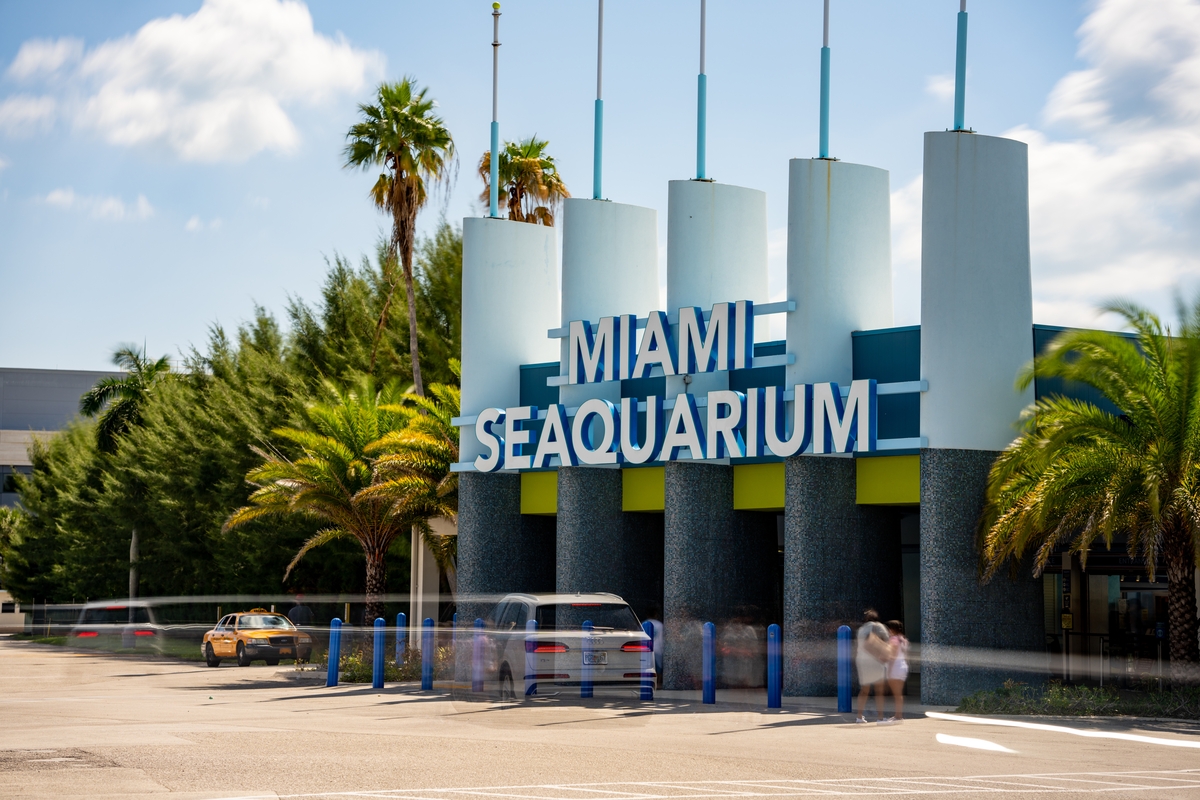
When will Miami Seaquarium close?
The oceanarium will open its doors for the final time on Sunday, October 12.
What’s planned for the space?
In a statement posted to Instagram, the Miami Seaquarium site is to be leased to Resilient Aquarium LLC, an affiliate of Florida real estate company Terra.
Under the $22.5 million deal, the park is set to be replaced with a new “accredited aquarium” (minus the marine mammals) and Fishermen’s Village-style dining and shops, alongside a marina and a public baywalk. The Seaquarium name is also expected to remain.
“Terra’s proposal contemplates substantial investment in, and renovation of, the Seaquarium to modernize it in a manner that respects the history of the site and is consistent with applicable laws and regulations,” the statement reads.
What will happen to the animals once it closes?
There are reportedly 16 dolphins and 24 sea lions currently at the Seaquarium, which will be relocated to new homes. There is currently no information on where exactly they’ll be moved to.
Valerie Warren, a former trainer and supervisor at Miami Seaquarium, has launched a Change.org petition to put a pause on relocating the remaining animals until a clear and safe transition plan is in place. At the time of publication, the petition has received over 3,800 signatures.
“There’s a lot of older animals that live here, and they might not make a transport. It seems so easy to say we’re just going to pick them up and move them to a different facility, but that just takes so much time, so much planning. We do not have a science backed plan yet and we need to make sure we get one,” Warren told WSVN 7 News.