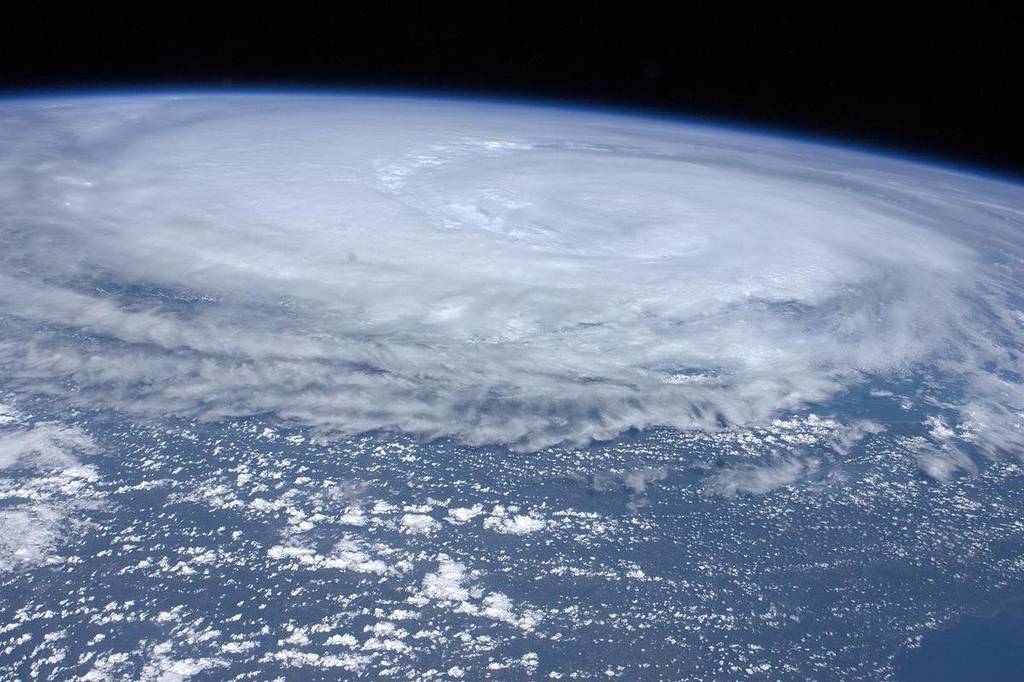

Atlantic hurricane season may be months away, but the World Meteorological Organization has released its official list of names that will be used to track tropical systems from June through November.
Right now, it’s too early to know the details of what this upcoming season could bring, but 2025 saw a total of 13 named storms, five of which became hurricanes and four strengthened into major Category 5 storms. None made landfall in the U.S., but the season was nonetheless one for the record books.
Here are the 21 names revealed for the 2026 season:
- Arthur
- Bertha
- Cristobal
- Dolly
- Edouard
- Fay
- Gonzalo
- Hanna
- Isaias
- Josephine
- Kyle
- Leah
- Marco
- Nana
- Omar
- Paulette
- Rene
- Sally
- Teddy
- Vicky
- Wilfred
If we do find ourselves in an active season that exceeds 21 named storms, the National Hurricane Center will use a supplemental list (starting with Adria and Braylen) instead of the Greek alphabet.
How names are selected
Atlantic hurricane names operate on a six-year rotation, meaning the 2026 list is the same one from 2020, and could be seen again in 2032. However, if a storm causes an exceptional level of death or destruction, its name is retired out of sensitivity. Following the 2020 season, the WMO retired the name “Laura,” which was a catastrophic Category 4 storm that made landfall in Louisiana. “Leah” was selected to replace it for 2026.
When is hurricane season in Florida?
Atlantic hurricane season runs from June 1 through November 30 each year, with the peak occurring between August and September. The National Hurricane Center selected the six-month season because it accounts for about 97% of all Atlantic tropical storms and hurricanes, although hurricanes have occurred in every month of the year.
The bottom line is, it’s never too early to begin planning for the storm season. Visit the CDC website for more information and resources.