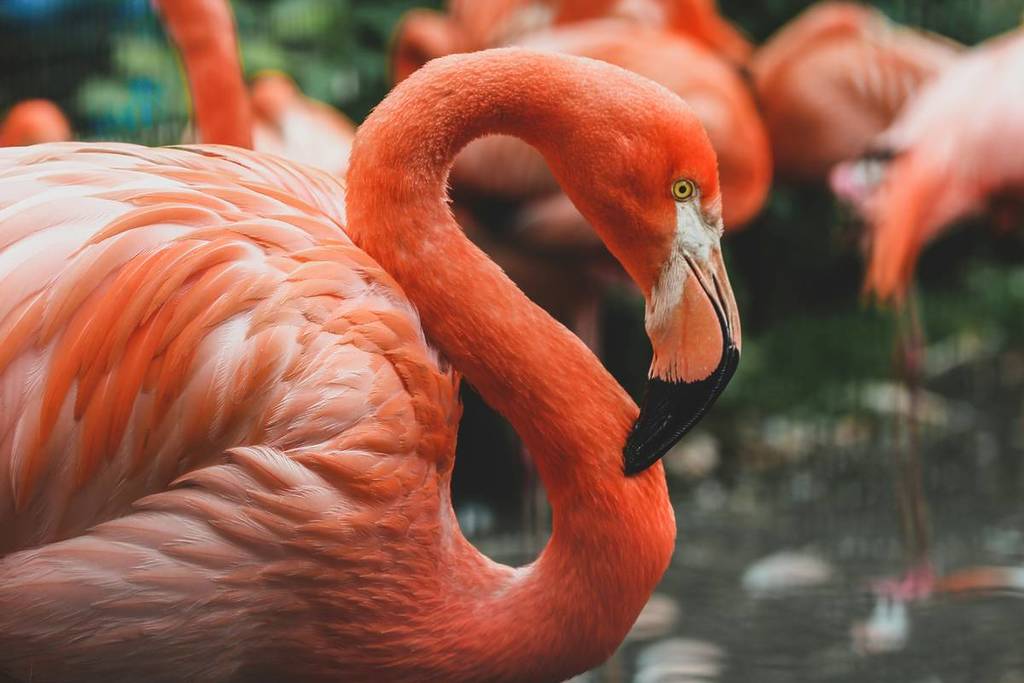
It’s almost impossible to picture Florida without thinking of flamingos. Chances are if you poll residents about what their state bird is, they’ll mistakenly guess these pink beauties due to their natural history and tropical image. After all, flamingos can be found all over people’s lawns, on the logo for the Florida Lottery and even inside Tampa’s airport as a massive sculpture greeting travelers.
But this all could change soon as Florida’s avian mascot is looking to get a newer, pinker look!
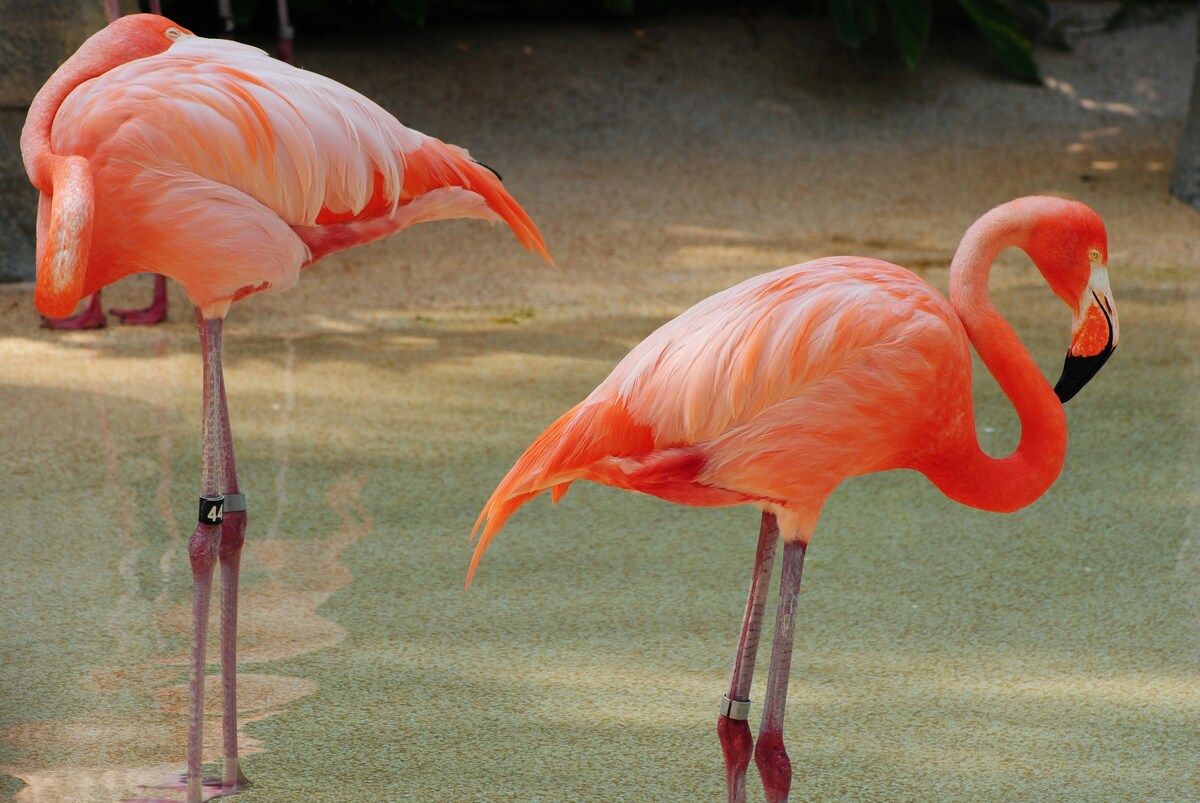
Just last week, the House of Representatives overwhelmingly passed a bill (112-1) to replace the official state bird with the American flamingo. Several lawmakers even showed up to the Capitol wearing pink to support the cause, which they say celebrates the bird’s return to the state.
In recent years, flamingos (which are native to Florida) have started blowing back into the state thanks to passing storms. Following Hurricane Idalia in 2023, hundreds of the wading birds have been spotted along the Gulf Coast and the Everglades, with conservationists hoping that this will mark the beginning of a permanent population.
Wait, what is Florida’s current state bird?
Believe it or not, the Sunshine State’s official bird is actually the northern mockingbird, which has held the title since 1927. It’s also the state bird for four other states: Arkansas, Texas, Tennessee and Mississippi.
A win for the Florida scrub jay too
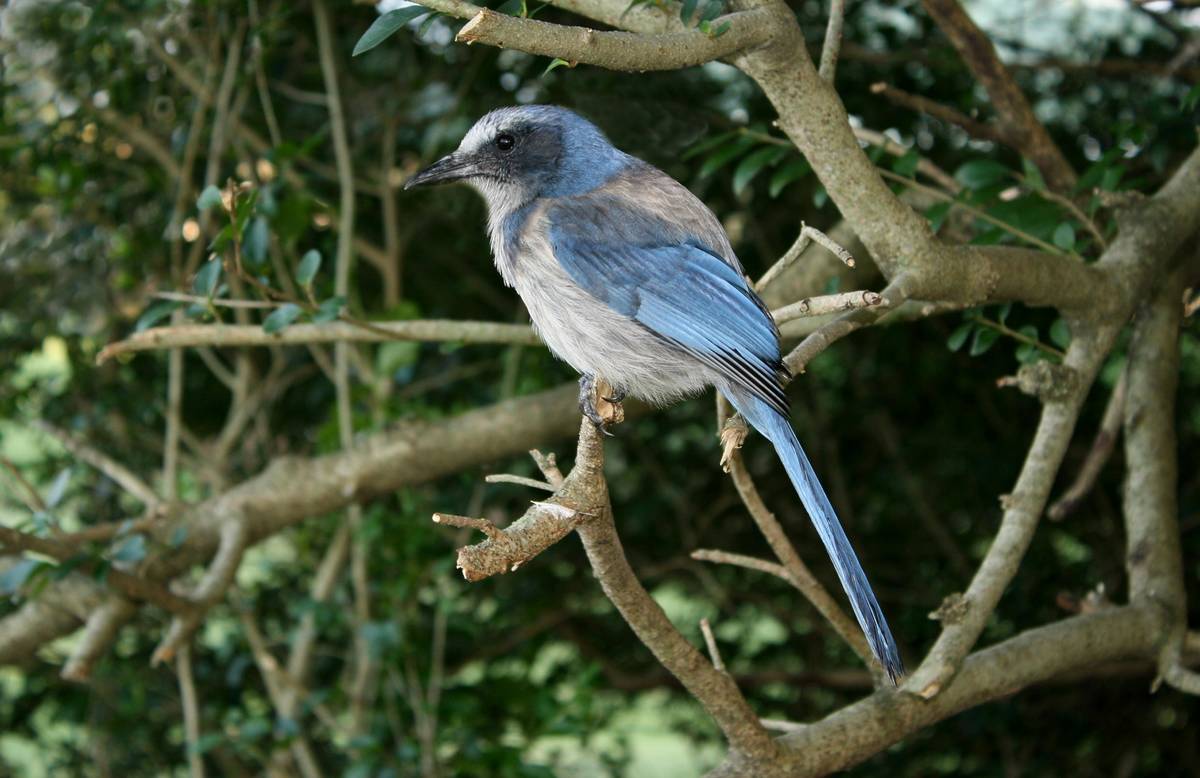
If you’re a local wildlife lover, you may be wondering about the Florida scrub jay. It’s the only bird species entirely unique to our state, and many have argued that it deserves the top spot. But not to worry! Under the same bill, the scrub jay will get its own special honor and be designated as the state’s official songbird.
When could flamingos become the state bird?
Flamingos technically haven’t claimed the title from mockingbirds just yet. The bill still needs to flap its way through a few Florida Senate committees and pass a full vote. If it then gets the governor’s signature, the change would go into effect beginning July 1, 2026.
Until then, keep your eyes peeled the next time you’re at the Everglades — you might just spot our next state bird in the wild!