
October is bringing more than just pumpkins and a slight dip in humidity to the Sunshine State — it’s also bringing a sweeping slate of new legislation. Beginning October 1, a series of new Florida laws will go into effect, impacting everything from our paychecks to rental applications and how a fender bender is handled.
Keep scrolling to learn about some of the biggest rule changes beginning next month and what they mean for you.
1. Florida’s minimum wage increases to $15

Technically happening a day prior on September 30, Florida will reach the finish line of its voter-approved multi-year plan. The state’s minimum wage will increase to $15 an hour, and if you’re a tipped employee, your base wage will also rise to $11.98 an hour.
2. HB 1293: Fraudulent Entry of Residential Dwellings
This law makes it a third-degree felony to secure a rental property using forged pay stubs, bank statements, false identities or other fake documents. It also classifies this as a noncurable breach, allowing landlords to issue a seven-day eviction notice to the tenant. Learn more about the bill here.
3. SB 488: Transportation
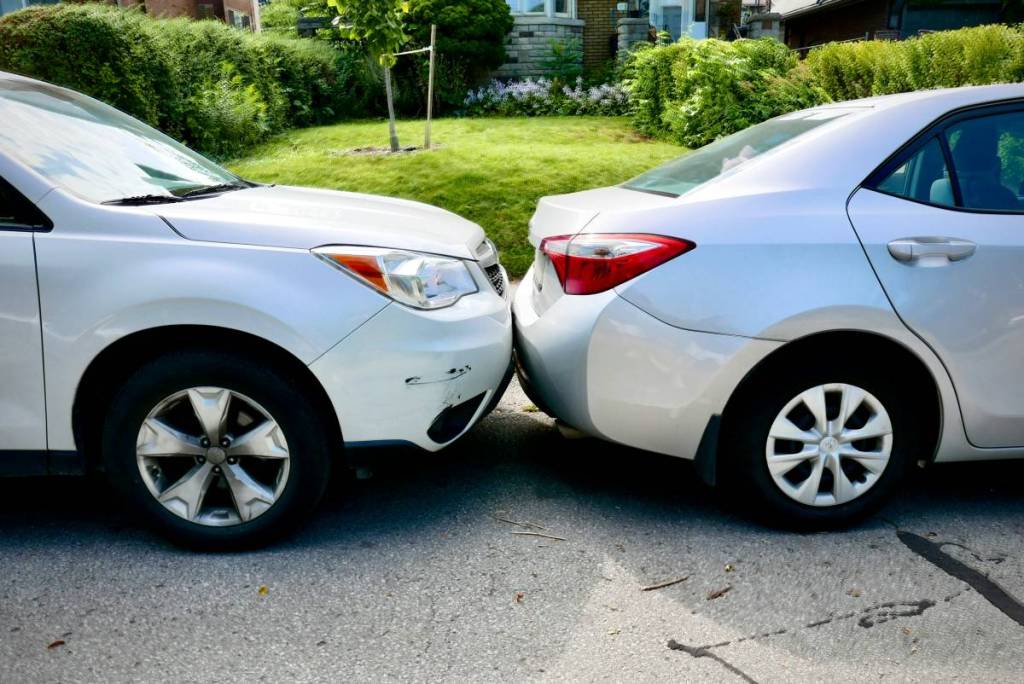
SB 488 increases the estimated damage threshold for when a vehicle crash must be reported to law enforcement, going from $500 to $2,000. Additionally, the bill clarifies the existing prohibition on covering or obscuring a license plate, with decorative borders being allowed as long as they don’t block the numbers, letters and validation sticker. You can read more about this here.
4. SB 432: Intoxicating Substances
Also named “Meg’s Law,” it prohibits licensed tobacco and nicotine businesses from selling or possessing nitrous oxide (“whippets”) on their premises. A violation is a third degree felony. It also cracks down on the animal tranquilizer xylazine, making its sale or manufacture a first-degree felony (28 grams or more). You can read more about this law here.
5. HB 429: Criteria for Determining Criminal Gang Membership
This law expands Florida’s criteria for classifying someone as a gang member, explicitly including digital behavior. This includes using gang-related language and symbols on social media and online platforms, and being identified by another member, parent or spouse living with the person. You can learn more about this here.
6. HB 757: School Safety
HB 757 creates a second-degree felony if a person discharges a firearm within 1,000 feet of a school — during school hours or official school activities — carrying steeper prison time. This is unless discharged for lawful defense of himself, herself or another person. Learn more about this bill here.
7. HB 559: Animal Welfare

This law takes a hard line on animal abuse, specifically creating a third-degree felony for adults who involve a minor in aggravated animal cruelty — such as animal fighting or baiting — or to commit these acts in front of them. It also requires any juvenile convicted of animal cruelty to undergo a psychological evaluation and court-ordered treatment. You can read more about this here.